
 Image 1 of 1
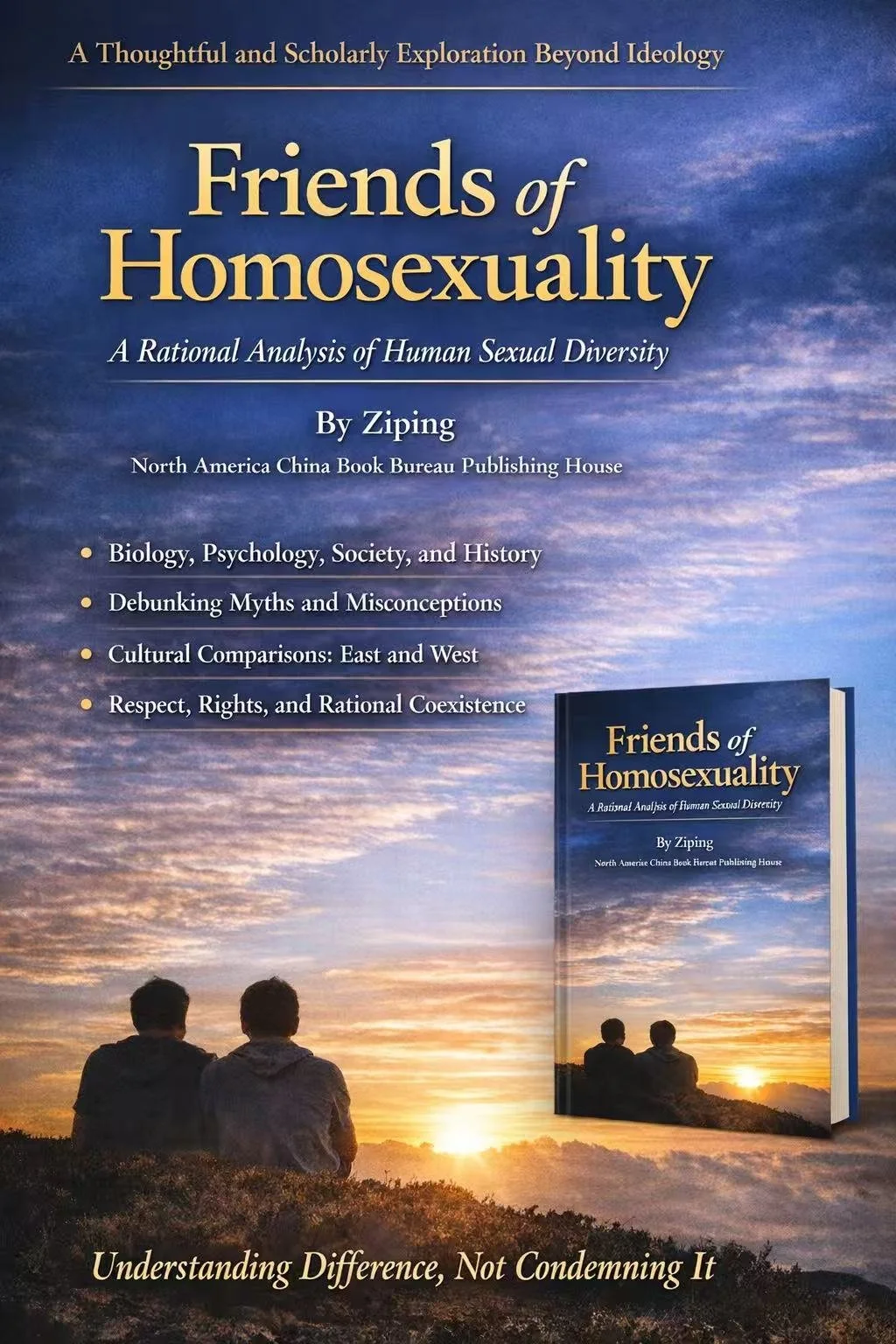
Friends of Homosexuality is a comprehensive academic examination of human sexual diversity, written with intellectual rigor, historical depth, and analytical restraint. Rather than treating homosexuality as a moral controversy or identity slogan, this book situates it within the broader frameworks of biology, psychology, sociology, family systems, institutional governance, and civilizational change.
Across sixty carefully structured chapters, the author addresses fundamental questions that continue to provoke social anxiety worldwide: What is the difference between biological sex, gender identity, and sexual orientation? Why does sexual diversity persist across cultures and historical periods? Is homosexuality a modern phenomenon, a biological anomaly, or a natural variation of human existence? How do families, education systems, workplaces, and public institutions respond—often unconsciously—to difference?
Drawing on interdisciplinary research and comparative cultural analysis, the book demonstrates that homosexuality itself is not the source of social tension. Rather, conflict arises from rigid social expectations, institutional inertia, and fear of uncertainty. The work critically examines common misconceptions, including the belief that homosexuality is concentrated among intellectual elites, that it threatens family structures, or that its visibility signals social decline.
Particular attention is given to the Chinese and East Asian social context, where homosexuality is often tolerated privately but denied institutional recognition, contrasting this model with Western legal and policy-based approaches. The book also explores how education systems reproduce silence, how stigma becomes embedded in everyday practices, and how public “moral panics” are socially constructed.
Ultimately, Friends of Homosexuality argues that recognizing sexual diversity is not an ideological concession, but a rational response to human complexity. Respect, the author contends, does not require moral consensus—only the institutional guarantee of safety, dignity, and equal opportunity.
Written for scholars, policymakers, educators, and serious readers, this book offers a calm, evidence-based perspective on one of the most enduring and misunderstood issues of modern society. It concludes that coexistence, rather than moral victory, is the true measure of a mature civilization.
Friends of Homosexuality is a comprehensive academic examination of human sexual diversity, written with intellectual rigor, historical depth, and analytical restraint. Rather than treating homosexuality as a moral controversy or identity slogan, this book situates it within the broader frameworks of biology, psychology, sociology, family systems, institutional governance, and civilizational change.
Across sixty carefully structured chapters, the author addresses fundamental questions that continue to provoke social anxiety worldwide: What is the difference between biological sex, gender identity, and sexual orientation? Why does sexual diversity persist across cultures and historical periods? Is homosexuality a modern phenomenon, a biological anomaly, or a natural variation of human existence? How do families, education systems, workplaces, and public institutions respond—often unconsciously—to difference?
Drawing on interdisciplinary research and comparative cultural analysis, the book demonstrates that homosexuality itself is not the source of social tension. Rather, conflict arises from rigid social expectations, institutional inertia, and fear of uncertainty. The work critically examines common misconceptions, including the belief that homosexuality is concentrated among intellectual elites, that it threatens family structures, or that its visibility signals social decline.
Particular attention is given to the Chinese and East Asian social context, where homosexuality is often tolerated privately but denied institutional recognition, contrasting this model with Western legal and policy-based approaches. The book also explores how education systems reproduce silence, how stigma becomes embedded in everyday practices, and how public “moral panics” are socially constructed.
Ultimately, Friends of Homosexuality argues that recognizing sexual diversity is not an ideological concession, but a rational response to human complexity. Respect, the author contends, does not require moral consensus—only the institutional guarantee of safety, dignity, and equal opportunity.
Written for scholars, policymakers, educators, and serious readers, this book offers a calm, evidence-based perspective on one of the most enduring and misunderstood issues of modern society. It concludes that coexistence, rather than moral victory, is the true measure of a mature civilization.