
 Image 1 of 1
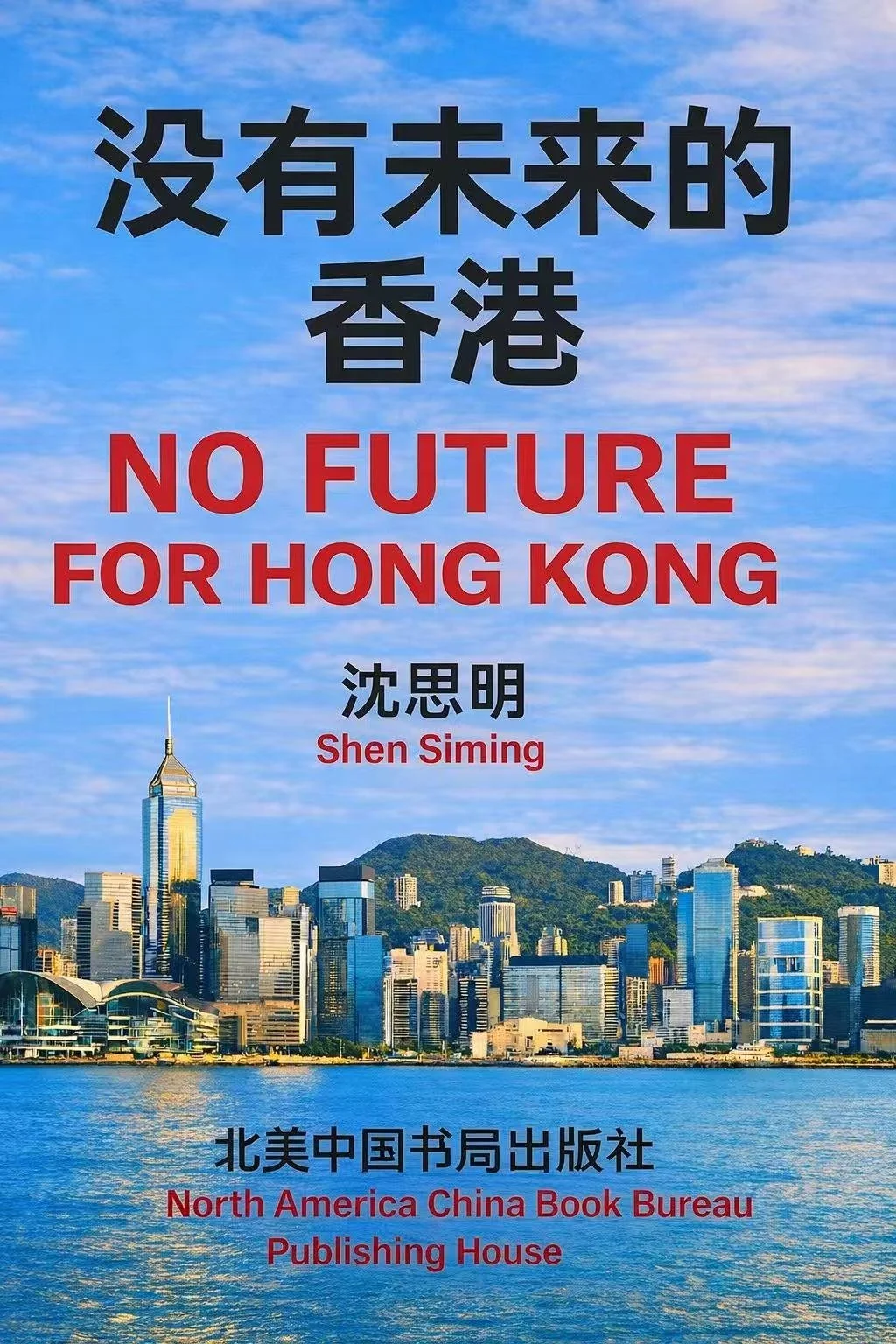
No Future for Hong Kong is a work of political and institutional analysis grounded in historical evidence, economic structure, and systemic logic.
Beginning with Hong Kong’s transformation under British colonial rule, the book traces how a resource-poor port city was shaped into a world-class financial center through common law, limited government, financial openness, and a deliberately depoliticized governance model. It then examines Hong Kong’s post-handover trajectory, where two nations, two systems, competing ideologies, and conflicting institutional logics have increasingly collided.
Rejecting emotional rhetoric and political slogans, the author relies on comparative institutional analysis, longitudinal data, and observable market behavior—including financial rankings, capital flows, talent migration, and functional shifts in urban roles—to address a single central question:
Why is Hong Kong losing its future?
The book argues that Hong Kong’s decline is not the result of a single event or short-term policy failure, but the outcome of a structural transformation in the institutional conditions that once sustained its success. When rules no longer consistently override power, when exceptional status is progressively reinterpreted, and when trust ceases to be the default assumption, the logic of a global financial city becomes unsustainable.
No Future for Hong Kong is not an emotional indictment of a city, but a sober institutional projection. It serves both as a comprehensive case study of Hong Kong’s rise and decline, and as a broader warning to modern cities that attempt to replace rules with narratives and institutions with sentiment.
No Future for Hong Kong is a work of political and institutional analysis grounded in historical evidence, economic structure, and systemic logic.
Beginning with Hong Kong’s transformation under British colonial rule, the book traces how a resource-poor port city was shaped into a world-class financial center through common law, limited government, financial openness, and a deliberately depoliticized governance model. It then examines Hong Kong’s post-handover trajectory, where two nations, two systems, competing ideologies, and conflicting institutional logics have increasingly collided.
Rejecting emotional rhetoric and political slogans, the author relies on comparative institutional analysis, longitudinal data, and observable market behavior—including financial rankings, capital flows, talent migration, and functional shifts in urban roles—to address a single central question:
Why is Hong Kong losing its future?
The book argues that Hong Kong’s decline is not the result of a single event or short-term policy failure, but the outcome of a structural transformation in the institutional conditions that once sustained its success. When rules no longer consistently override power, when exceptional status is progressively reinterpreted, and when trust ceases to be the default assumption, the logic of a global financial city becomes unsustainable.
No Future for Hong Kong is not an emotional indictment of a city, but a sober institutional projection. It serves both as a comprehensive case study of Hong Kong’s rise and decline, and as a broader warning to modern cities that attempt to replace rules with narratives and institutions with sentiment.