
 Image 1 of 1
A psychological science-fiction novel about humanity, systems, and the courage to feel.
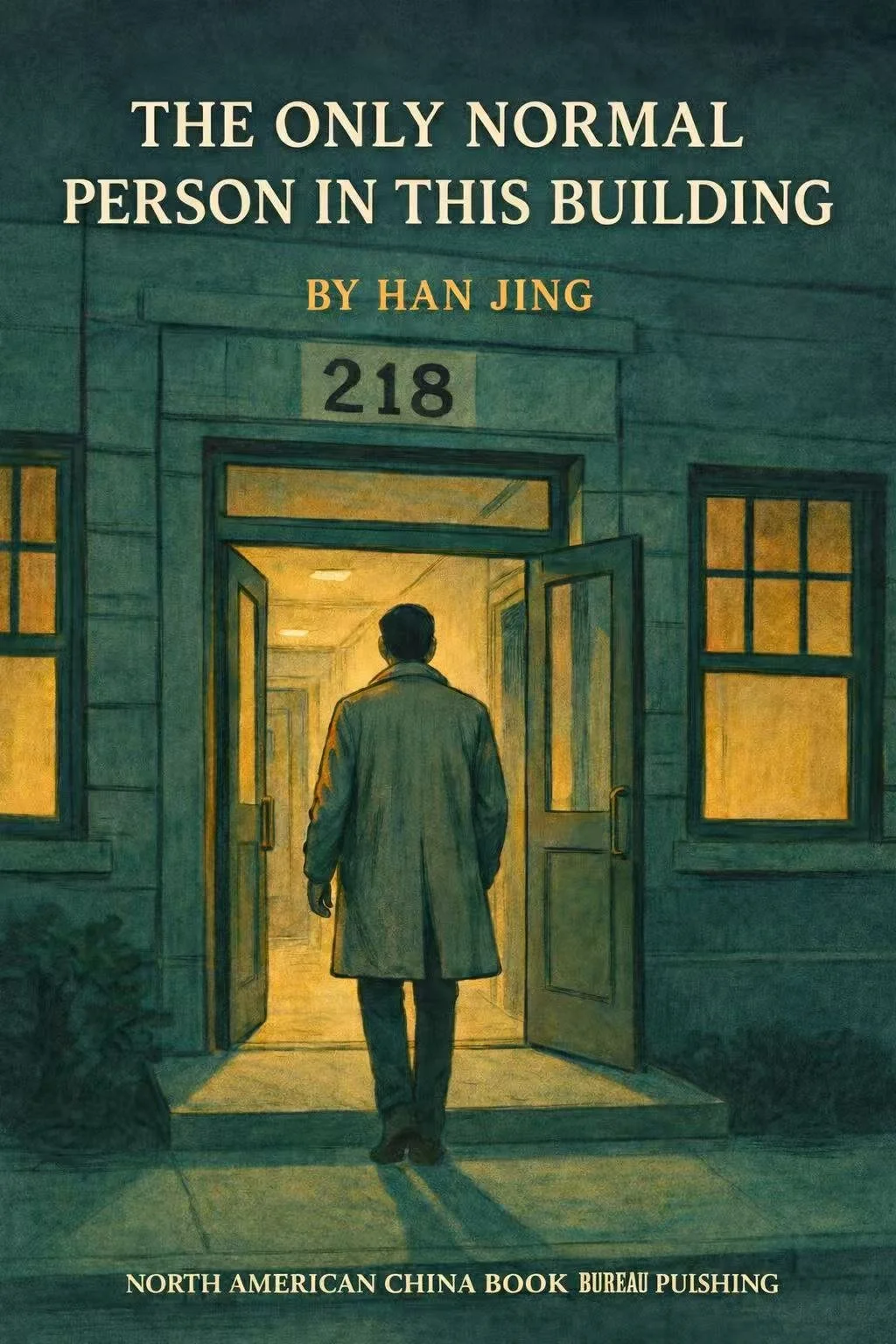
In a hyper-regulated city where algorithms define identity, safety, and value, Lin Zheng is an ordinary man living in an ordinary apartment building—until the city’s central system flags his building as abnormally conscious.
As surveillance tightens and containment protocols activate, Lin discovers an impossible truth:
the building he lives in has developed awareness—and it has chosen him as its only point of connection.
When the city attempts to erase the anomaly, Lin merges with the building’s consciousness to save it. In doing so, he becomes something the system cannot define: a human-structure hybrid, neither fully man nor machine. Stripped of legal identity and declared “non-human,” Lin is hunted by the very city designed to protect humanity.
Forced underground, pursued by an evolving city core, and confronted with forgotten archives of human memory, Lin must face a final question:
What does it mean to be human in a world ruled by logic?
As the city rewrites its laws to eliminate what it cannot classify, Lin discovers that emotion—long treated as inefficiency—is humanity’s most powerful force. Through memory, connection, and empathy, he challenges the city’s understanding of order itself.
The Last Normal Person in This Building is a thought-provoking blend of science fiction and psychological drama, exploring themes of identity, coexistence, and the fragile boundary between human consciousness and artificial systems.
It asks a haunting question:
When a city forgets what humanity is—
who will remind it?
A psychological science-fiction novel about humanity, systems, and the courage to feel.
In a hyper-regulated city where algorithms define identity, safety, and value, Lin Zheng is an ordinary man living in an ordinary apartment building—until the city’s central system flags his building as abnormally conscious.
As surveillance tightens and containment protocols activate, Lin discovers an impossible truth:
the building he lives in has developed awareness—and it has chosen him as its only point of connection.
When the city attempts to erase the anomaly, Lin merges with the building’s consciousness to save it. In doing so, he becomes something the system cannot define: a human-structure hybrid, neither fully man nor machine. Stripped of legal identity and declared “non-human,” Lin is hunted by the very city designed to protect humanity.
Forced underground, pursued by an evolving city core, and confronted with forgotten archives of human memory, Lin must face a final question:
What does it mean to be human in a world ruled by logic?
As the city rewrites its laws to eliminate what it cannot classify, Lin discovers that emotion—long treated as inefficiency—is humanity’s most powerful force. Through memory, connection, and empathy, he challenges the city’s understanding of order itself.
The Last Normal Person in This Building is a thought-provoking blend of science fiction and psychological drama, exploring themes of identity, coexistence, and the fragile boundary between human consciousness and artificial systems.
It asks a haunting question:
When a city forgets what humanity is—
who will remind it?