
 Image 1 of 1
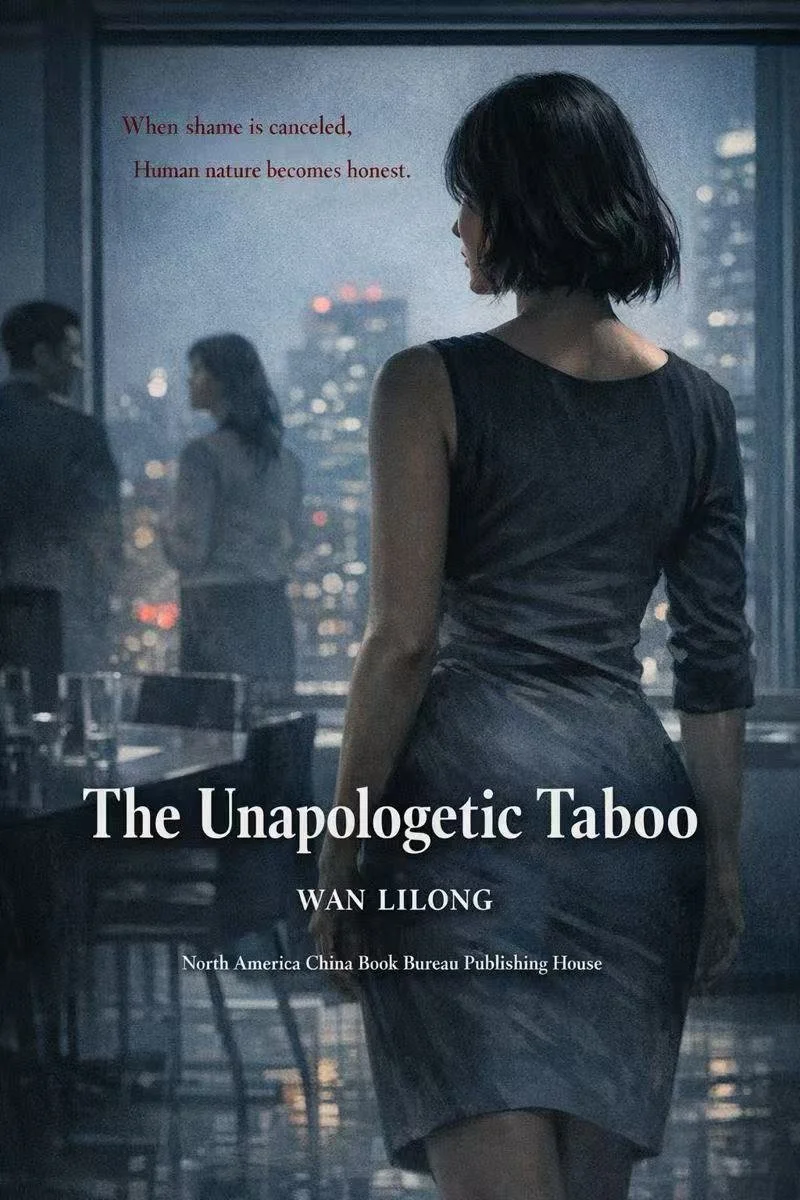
The Unapologetic Taboo is a contemporary realist novel that confronts the transformation of human desire in a rapidly changing society.
Through the intertwined lives of three families across three generations, the novel explores how traditional moral structures dissolve under the pressures of power, money, and survival. As shame loses its authority and boundaries blur, relationships once considered unthinkable gradually become normalized, justified, and even defended with confidence.
Rather than offering judgment or ideology, the book focuses on individuals—men and women of different ages and social positions—examining how they negotiate intimacy, loyalty, and self-interest in an era where desire is no longer hidden but rationalized. Marriage fractures, family roles collapse, and the body becomes both currency and refuge.
The Unapologetic Taboo is neither sensational nor erotic. Its strength lies in restraint. With a clear-eyed, unsentimental voice, the novel records how instinct quietly replaces restraint, how civilization loosens without collapse, and how people continue living—alert, adaptive, and unapologetic—when moral certainty disappears.
This is a novel about what remains when justification replaces shame, and survival becomes the final ethic.
The Unapologetic Taboo is a contemporary realist novel that confronts the transformation of human desire in a rapidly changing society.
Through the intertwined lives of three families across three generations, the novel explores how traditional moral structures dissolve under the pressures of power, money, and survival. As shame loses its authority and boundaries blur, relationships once considered unthinkable gradually become normalized, justified, and even defended with confidence.
Rather than offering judgment or ideology, the book focuses on individuals—men and women of different ages and social positions—examining how they negotiate intimacy, loyalty, and self-interest in an era where desire is no longer hidden but rationalized. Marriage fractures, family roles collapse, and the body becomes both currency and refuge.
The Unapologetic Taboo is neither sensational nor erotic. Its strength lies in restraint. With a clear-eyed, unsentimental voice, the novel records how instinct quietly replaces restraint, how civilization loosens without collapse, and how people continue living—alert, adaptive, and unapologetic—when moral certainty disappears.
This is a novel about what remains when justification replaces shame, and survival becomes the final ethic.